


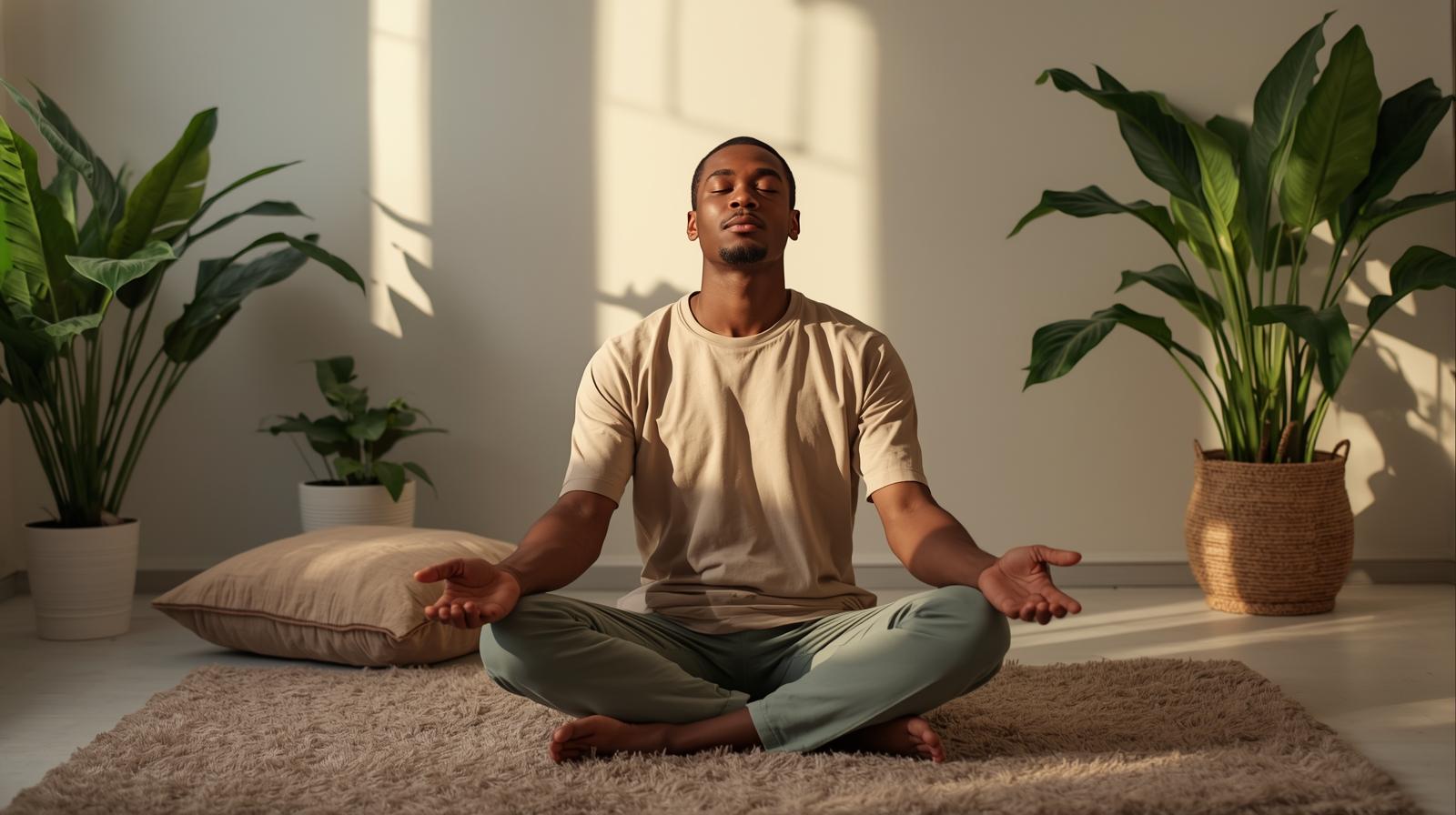
Why So Many People Are Turning to Mindfulness
July 28 2024
A Need for Stillness in a Busy World
We live in a time of constant stimulation — notifications, deadlines, and emotional noise. For many, mindfulness has become not just a practice but a lifeline — a way to pause, breathe, and come home to the present moment.
At Renewed Life Therapy, mindfulness is often introduced as a gentle complement to traditional therapy. It helps clients slow the body down enough for the mind to listen.
What Mindfulness Really Means
Mindfulness is not about emptying your mind; it’s about paying attention — on purpose, in the present moment, without judgment. It teaches you to observe your thoughts rather than chase them, to notice sensations in your body, and to respond with awareness rather than impulse.
In therapy, mindfulness helps clients notice the gap between stimulus and response — that crucial space where choice lives.
Why It Helps
Research consistently shows that mindfulness can:
- Reduce anxiety and rumination
- Improve emotional regulation and sleep
- Lower stress hormones
- Increase empathy and patience
- Strengthen the prefrontal cortex (responsible for focus and calm)
For people recovering from trauma, mindfulness helps reconnect with the body in safe, tolerable ways. For those managing stress, it teaches presence — not escape.
Mindfulness vs. Overthinking
Overthinking tries to control. Mindfulness invites curiosity. When you stop trying to “fix” every thought and simply notice it, your nervous system begins to settle. Instead of living in reaction, you live in rhythm — responding with awareness instead of urgency.
How to Begin
You don’t need long meditations or perfect focus to start. Begin with a few minutes a day:
- Notice your breath without trying to change it.
- Feel your feet on the ground.
- Name what you’re sensing: “warm,” “tight,” “soft.”
- Offer yourself a gentle phrase: “I am here.”
Mindfulness isn’t about doing it perfectly — it’s about remembering you’re allowed to pause.
At Renewed Life Therapy, mindfulness is used as both a therapeutic and daily practice — helping clients rebuild safety within themselves and find calm in the present moment. Book a session to learn how mindfulness can support your emotional balance and self-awareness.
Looking for something specific? Search our blogs and resources
QUICK LINKS