


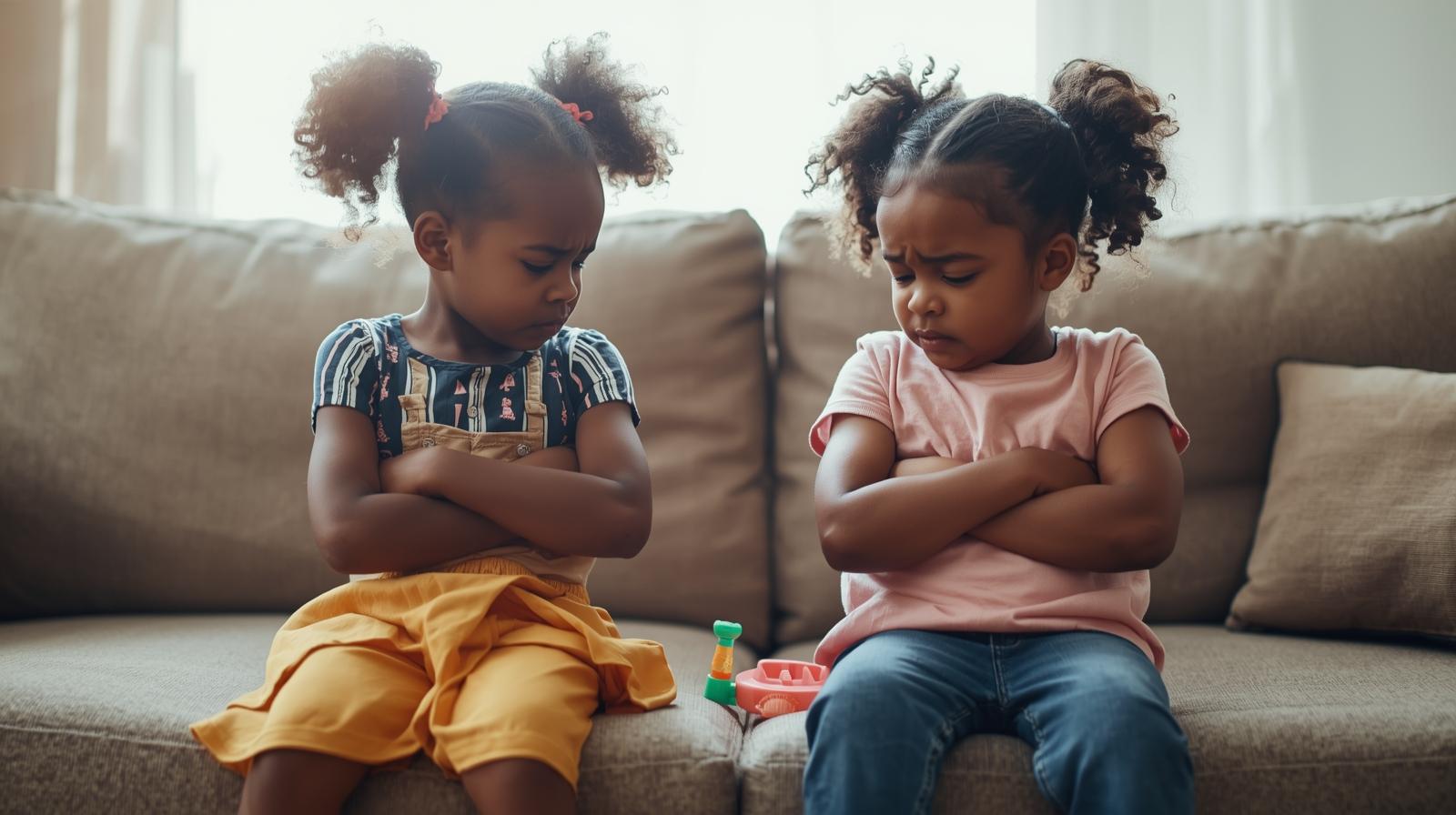
Sibling Rivalry and the Search for Belonging
October 13, 2025
More Than Just Bickering
Sibling rivalry is one of the most familiar — and misunderstood — family dynamics. It’s often dismissed as simple competition or childhood jealousy, but beneath the surface lies something more profound: the human need to belong, to be noticed, and to feel significant.
At Renewed Life Therapy, we often see the echoes of sibling rivalry long after childhood ends. Adults who once competed for attention or validation from parents often continue to carry those roles — the “responsible one,” the “rebellious one,” the “forgotten one” — into their relationships, workplaces, and even parenting styles.
Sibling rivalry, at its core, isn’t about dislike. It’s about connection — and what happens when love feels conditional or scarce.
The Roots of Rivalry
From a developmental lens, sibling rivalry emerges as children begin to form their sense of identity. In many families, love and approval are unintentionally linked to behavior, achievement, or temperament. One child may be praised for being easygoing, another for being driven, another for being sensitive. Over time, those traits become identities that define how each child fits — or struggles to fit — within the family system. This dynamic can be intensified by:
- Parental comparison: (“Why can’t you be more like your brother?”)
- Unequal attention: due to birth order, health issues, or family stress.
- Unspoken alliances: when one child becomes the emotional confidant or peacekeeper for a parent.
These patterns quietly teach children that love might have to be earned, and that siblings are competitors for it.
When Rivalry Turns Into Roles
As siblings grow up, rivalry often evolves into fixed roles that shape personality and relationships:
- The Achiever who feels pressure to succeed to stay valued.
- The Peacemaker who suppresses conflict to keep harmony.
- The Rebel who seeks freedom through defiance.
- The Caretaker who becomes responsible beyond their years.
Each role serves a function in the family’s emotional economy — but it can also limit authenticity. These roles may persist long after family gatherings become infrequent, showing up in adult life as perfectionism, resentment, or distance.
Healing means learning to separate identity from role — to see yourself not as who you had to be, but who you truly are.
The Emotional Legacy of Comparison
Comparison is the heartbeat of rivalry. It creates a quiet hierarchy of worth, even when parents don’t intend it. One child might internalize that they’re “not enough,” while another feels trapped by constant expectation. Both carry emotional burdens that shape self-esteem, confidence, and the capacity for connection.
As adults, this can show up as:
- Feeling invisible or overlooked.
- Overcompensating for validation.
- Difficulty celebrating others’ success without self-criticism.
- Fear of conflict or rejection in relationships.
Recognizing these patterns is not about blame — it’s about awareness. When we understand how we were positioned in our families, we gain clarity about the patterns that still shape our lives.
Healing Sibling Relationships
Healing sibling rivalry doesn’t mean pretending everything is fine. It means acknowledging the pain, misunderstanding, or distance that may exist and choosing curiosity instead of competition.
You can begin by:
- Revisiting your family story: How were you seen? What role did you play?
- Naming old hurts: without blame, simply as recognition of what shaped you.
- Setting boundaries: if contact still triggers old patterns, it’s okay to protect your peace.
- Choosing empathy: remembering that your sibling was also doing their best within the same emotional ecosystem.
In therapy, we often help clients move from comparison to compassion — realizing that rivalry was never really about each other, but about the longing to be loved equally.
If You’re Parenting Siblings Now
For parents, sibling rivalry can be both exhausting and revealing. Remember: rivalry is not a sign of failure — it’s a sign of emotional development. The key is helping each child feel seen for who they are, not just what they do.
Small shifts make a difference:
- Validate each child’s feelings without taking sides.
- Avoid comparisons — even positive ones.
- Celebrate individuality instead of equality; fairness doesn’t mean sameness.
- Model repair — show your children that conflict doesn’t end love, it can deepen it.
These are the lessons that help siblings grow into adults who can both love and differentiate from each other without competition.
At Renewed Life Therapy, we help individuals and families unpack intergenerational patterns — including sibling rivalry, favoritism, and family roles — to build healthier relationships rooted in understanding and authenticity. Book a session to begin breaking the cycles that keep connection out of reach.
Looking for something specific? Search our blogs and resources
QUICK LINKS